

How much can you get for scrapping your car?
There's no fixed price for scrapping a car in the UK. Most vehicles are valued primarily on their weight and current scrap metal prices, which fluctuate daily based on global demand for materials like steel, aluminium, and copper.
As a rough guide, scrap cars in the UK often sell for £150–£400, with many falling into the £200–£300 range, depending on the vehicle size and market conditions.
Some buyers (particularly ATFs and breakers) may also factor in resalable parts, but the base value is still largely tied to raw materials.
Get a free valuation
Key scrap car valuation factors
- The majority of a scrap car’s value comes from its total weight and the fluctuating global prices of metals like steel, aluminium and copper.
- Missing high-value components, like engines or gearboxes, can significantly reduce your payout.
- While scrapping at an ATF is a convenient option for some vehicles, selling your car to webuyanycar could provide a higher return, especially if your motor still has resalable parts.
What factors will influence my final scrap price?
Before heading into any negotiations to get the best price for your scrap car, it is important to have a rough idea of what your scrap car is worth.
Understanding the factors that will impact the final price of your scrap car is key. Here are the important factors to consider:
Vehicle weight (most important)
Scrap cars are typically priced by weight, so heavier vehicles often fetch more. This is because most of the value comes from recyclable metals such as steel.
Scrap metal prices
Scrap car values are closely tied to global demand for materials such as steel. When demand rises in key industries like construction, scrap prices rise, boosting what your car is worth.
Since a typical car contains around 900kg of steel, even modest increases in steel prices can noticeably increase scrap values.
Key component completeness and condition
Cars with key components still fitted, especially high-value parts like catalytic converters, engines, and gearboxes are typically worth more, particularly if they are in good condition. Missing parts can significantly reduce the scrap price.
Make and model (parts demand)
Some vehicles attract higher offers because their parts are in demand. This is more relevant if the car is being broken up for parts rather than crushed immediately.
Location and collection
Location and collection costs can affect your final payout. Vehicles in remote areas may be worth less due to higher transport and processing costs, while those closer to recycling centres or in more competitive areas can sometimes attract better prices.
Some buyers offer free collection within a certain radius, while others may factor transport costs into their quote.
What doesn't usually affect the scrap price
V5C logbook
A V5C logbook does not increase the scrap value of your car. Scrap dealers' base prices on metal content and usable parts, not paperwork. It can, however, make the process smoother — and if you don't have it, you may need to provide ID instead.
Service history
Service history affects value when selling a used car, but it doesn't usually impact scrap value. However, while a full service history doesn't increase the underlying scrap metal value, it may help identify vehicles with parts resale potential.
Mileage
Mileage does not usually affect the base scrap metal value, but it can influence the condition and resale potential of parts like engines and gearboxes. In most cases, it's a secondary factor, not a main pricing driver.
Ownership history
The number of previous owners can affect a used car's value, but it is not a recognised factor in scrap pricing. Scrap values are driven by material content, weight, and recoverable parts, with industry sources focusing on these factors rather than vehicle history.
What is the best way to sell a scrap car?
If your car is reaching the end of its life, scrapping it through an ATF is a popular and convenient option.
However, it's worth exploring whether you could get more by selling your car, especially if it still has usable parts or some remaining value.
| Option | Potential return | Speed | Effort required | Best for |
|---|---|---|---|---|
| Scrapping at an ATF | Around £200–£400 on average. | Fast (often same or next day) | Low | Cars with little to no resale value. Prices are mainly based on scrap metal weight, limiting returns. |
| Selling your car to webuyanycar | Often higher than scrap value. | Fast. Less than an hour from quote to sale. | Low | Drivers who want to sell quickly, without stripping out parts for individual sale. You could beat a scrap quote – and we offer a guaranteed sale, removing any uncertainty. |
| Stripping the car for parts | You could get a good price selling a car for parts if valuable components, such as the engine, gearbox or electronics are in good condition. | Slow. Can take weeks or months to sell all parts individually. | High | Drivers with good mechanical knowledge and a range of tools, who aren't concerned with a quick sale. |
Why does scrapping usually pay less than other selling options?
- Scrap value reflects the car's end-of-life material value, not its usefulness as a vehicle.
- Buyers must cover depollution, dismantling, and recycling costs, which reduces what dealers can pay you.
How to get the most money when scrapping your car
-
Keep your car complete
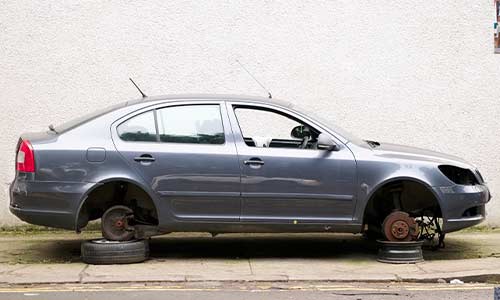
Scrap buyers typically pay less for vehicles with missing parts like the engine, wheels, or bodywork, and may charge a fee for scrapping incomplete cars.
-
Remove valuable extras (but only the right ones)
Consider removing any aftermarket upgrades such as alloy wheels or infotainment systems, as they may be worth more when sold separately. However, you should avoid removing standard fitted parts, as this can reduce your scrap price.
-
Get multiple quotes
Scrap prices can vary between buyers, so comparing offers helps to ensure you're not losing out.
-
Check your car's value before scrapping
Not every 'scrap' car is only worth its metal. Enter your reg and mileage into our free car valuation tool, whilst declaring the car's condition and history to see whether you could get more with webuyanycar.
Frequently Asked Questions
The Scrap Metal Dealers Act is a piece of legislation designed to regulate the industry and reduce metal theft. Key regulations of the act include:
- Dealers cannot pay physical cash for scrap cars or metal.
- Scrap dealers must be licensed by their local authority.
- Dealers must verify the seller's identity and keep detailed records of all transactions.
Scrapping your car is an efficient way to dispose of a vehicle that is no longer roadworthy or is too costly to repair. Key benefits of scrapping your car include:
- Convenience: It is a straightforward process; collection is typically arranged within 1-3 days, and once a Certificate of Destruction has been issued, the whole process is usually completed within a week.
- Environmental responsibility: ATFs ensure the car is depolluted and materials like steel, aluminium, and copper are recycled.
- Financial return: You can receive a payment based on the vehicle's weight and metal content, often between £150 and £400.
While both terms relate to end-of-life vehicles, they represent different valuation methods:
- Scrap value: This is primarily based on the weight of the raw materials, such as steel and copper. It reflects the material value rather than the car's utility.
- Salvage value: This is usually higher as it considers resalable parts. If a car is salvageable, a buyer may pay more to break it for spares or repair it, rather than crushing it for metal.
When scrapping your car, you should be aware of the factors that might reduce your final payout:
- Collection charges: Some buyers may charge for transport, especially if you are in a remote area.
- Incomplete vehicles: If key parts like the engine or wheels are missing, dealers may reduce the price or charge a fee.
- Depollution fees: Buyers must cover the cost of removing hazardous fluids, which is factored into the quote they offer you.
As of March 2026, the average scrap car price in the UK is around £250.