

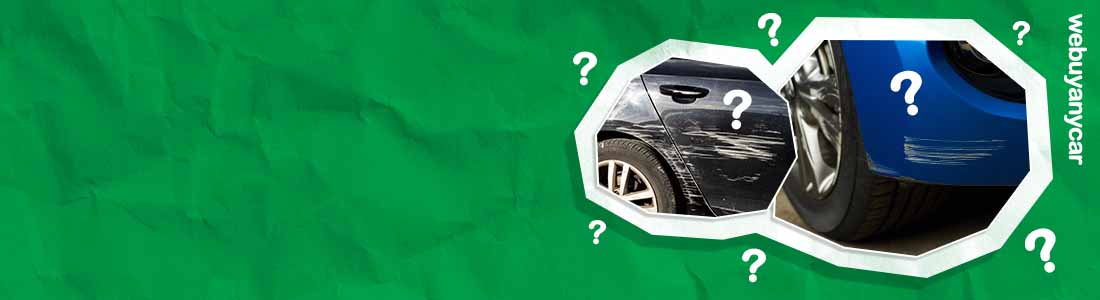
How do scratches affect how much my car is worth?
It can be disheartening to see scratches, scuffs, or dents on your car.
Aside from hurting its kerb appeal, these little imperfections can reduce your car’s resale value. So, whether you’re planning to sell your car or just want to keep your motor looking its best, rectifying any minor damage can make all the difference.
In this guide, we’ll cover how scratches and other types of damage affect resale value – and the steps you can take to recover some of your car's lost value.
Get a free valuation
Desirability
Scratches, chips, and dents can devalue your car and reduce its desirability.
Most prospective buyers will walk around the car to perform a visual inspection. Any visible deep scratches and surface damage will usually stand out as a negative.
Some private buyers may be deterred from buying your car with external damage. However, webuyanycar can buy your car regardless of its age or condition. As we offer a guaranteed sale, you won’t waste time with anyone who isn’t a serious buyer.
Noticeable damage will hurt the value and appeal of more prestigious cars the most. A few scratches here and there are to be expected on older cars, so the impact on value is likely to be more minimal.
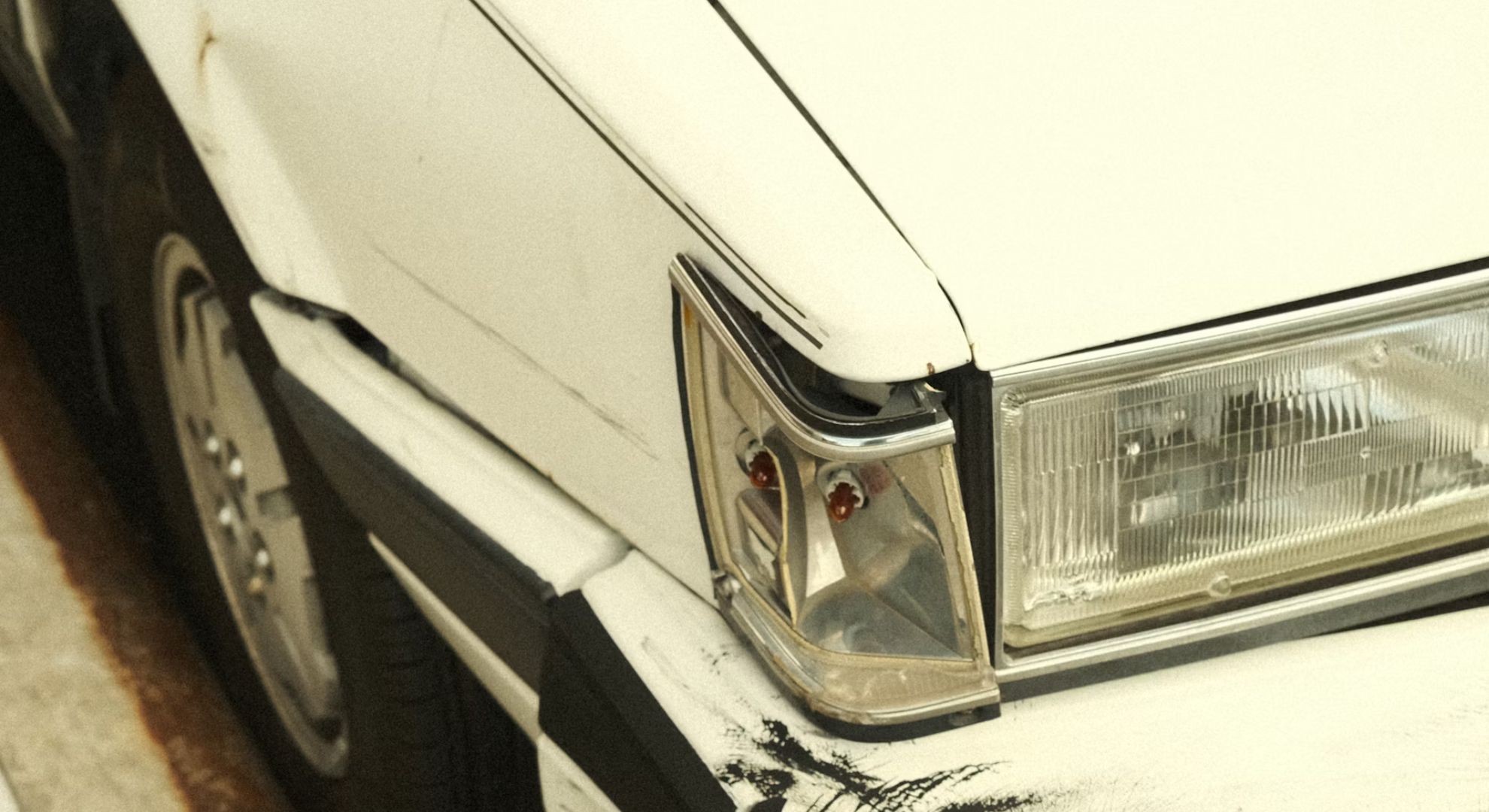
Do scratches devalue a car?
As a rough guide, a few scratches on a £4,000 car might reduce its value by roughly 5–10%. (A typical loss would be £300.) If the vehicle has more noticeable cosmetic damage, losses may be closer to 15–25%.
It's important to note that the proportion of value lost will vary depending on the value of the car. Higher-value vehicles often see a smaller percentage reduction, while lower-value cars can lose a larger share of their value for the same visible damage.
Minor blemishes won’t significantly hurt your resale value, but any obvious damage can cause a large reduction in value. What’s more, leaving damaged paintwork unchecked can leave your car vulnerable to rust, which can lead to further value loss.
So, if you’re planning to sell your car, you’ll need to decide whether to invest in repairs or sell it in its present state. Before making your decision, it’s worth getting quotes from a few reputable mechanics in your area.
In most cases, it’s worth investing in a few well-placed fixes to ensure your motor is looking its best. If the repairs aren’t economically viable, it can still be helpful to show prospective buyers a quote for the necessary repairs.
Here are some ballpark repair costs for your reference:
| Damage type | Value loss | Typical repair cost | Repairs needed |
|---|---|---|---|
| Light surface scratches | Minor value loss. | £70 to £110 | Polishing or wet sanding. 🧽 |
| Standard paintwork damage | £100 to £500 per panel | £120 to £180 | Sanding and repainting. 🖌️ |
| Deeper paintwork scratches | 5-15%, depending on the size and severity of the damage. | £270 to £330 | May require sanding, filling, priming, and repainting. 🖌️ |
| Smaller dents without paint damage | Minor value loss. | £90 to £150 | Paintless dent removal (PDR) 🕳️ |
| Dents with paint damage | £300 to £1,000 per panel | £220 to £450 | Sanding down the damaged area, removing rough spots, and filling the dents. 🖌️ |
| Windscreen scratches | Small scratches can easily develop into cracks, which can significantly hurt resale value. | £120 for side glass or £120 to £250 per arc on windscreens and rear windows. | Shallow scratches can be polished out, but deeper scratches may have to be ground out. ✨ |
| Bumper scrapes | Bumper scrapes can cause large value loss if structural damage is present. | £100 to £150 for minor repairs or £200 to £400+ for more extensive scrapes. | Paint correction and polishing can remedy minor scratches. ✨ |
| Scuffed or scratched alloy wheels | £100 to £500 per wheel, depending on the severity of the damage. | £90+ per wheel | Sanding alloys can remove scuffs. 🪥Metal fillers are used to fix severe scuffs. 🛞 |
Please note: Prices listed are for reference only and may vary due to factors such as your car make and model and the garage location. Consult a mechanic for an accurate quote.
How can I improve my chances of selling my vehicle?
Removing scratches and other imperfections can make it easier to sell your car and improve its resale value. Ask a mechanic to inspect your car and advise how to remedy scratches and any other damage.
Minor surface scratches can often be fixed at home with a DIY repair kit, but any scratches that run deeper may need professional repairs. If you decide not to repair your car, make sure you adjust your price accordingly.
Our free car valuation l can help you set a realistic price for your motor. Enter your registration number and mileage to get started. Remember to accurately declare any damage to receive an accurate quote.
You should also be fully transparent about the car’s condition and history in any advertisements and when meeting buyers. This will help to ensure the selling process goes as smoothly as possible.
Frequently Asked Questions
Yes, it is often worth fixing scratches before selling your car. Whilst this is a cosmetic concern, your car’s appearance will influence the buyer’s perception of its condition and quality.
Scratches can de-value your car by between 5-15%. Since minor cosmetic repairs are usually relatively inexpensive, it is often worth repairing scratches before selling. The main exception is when the cost of repair is higher than the potential increase in value.
Repairing scratches does not make economic sense in every situation. For older, lower-value cars, a certain level of cosmetic wear is expected, and you’re unlikely to recover the cost of the repairs by raising your asking price.
Yes, many dealerships will allow you to trade in a scratched car, but you can expect a reduced valuation.
Here are some of the ways scratches may impact your valuation:
- Minor blemishes: Standard, light wear-and-tear is usually expected on older cars and may result in small deductions, depending on how much work is required to prepare the car for resale.
- Deep scratches or dents: Deeper scratches and structural damage will incur larger value reductions, as more extensive repairs and cosmetic corrections will be required before the car is sold.
Addressing these issues could help you get more cash for your motor. However, if the repairs are prohibitively expensive, selling your car in its current state may be the better option.
It’s also important to be aware that while selling to a dealership offers a convenient way to upgrade your motor, you may be offered less than market value.
Looking for an alternative to trading in? Here at webuyanycar, we can usually beat trade-in quotes. Our process takes less than an hour from quote to sale - and we have 550+ conveniently appointed branches across the UK.
No, for routine cosmetic damage such as small scratches, claiming on your car insurance is rarely a cost-effective option. Whilst cover is there for major accidents, claiming for minor paintwork issues carries significant financial drawbacks:
- Excess: For a simple scratch repair, the excess you’d pay to your insurer may be close to or greater than the cost of repairing the damage yourself.
- Risking your no-claims discount: Even a small claim puts your no-claims discount at risk, meaning you could pay higher premiums in the years to come. The accumulated cost of these increased future premiums may far outweigh the cost of the repair itself!